NotaryLTD Blog
Utah Notary Guides, Tips & Legal Updates
Expert articles from Debbie Cuha on notary pricing, loan signings, estate planning, remote online notarization, and Utah notary law.

All Articles

How Remote Online Notarization Works in Utah: Step-by-Step Guide
Remote online notarization lets you get documents notarized via secure video call from anywhere. This step-by-step guide covers how RON works in Utah, the technology you need, and who benefits most.

Top 5 Notary Errors That Delay Utah Real Estate Closings
A single notary mistake can delay your Utah real estate closing by days or weeks. These are the five most common errors and how an experienced loan signing agent prevents every one of them.
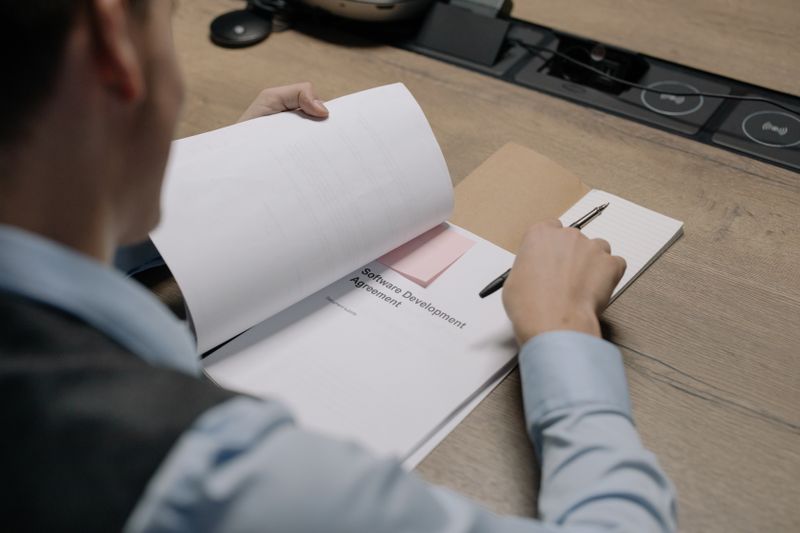
Notarizing Power of Attorney for Elderly Parents in Utah
When aging parents need a power of attorney, time is often short and circumstances are stressful. This guide walks Utah families through every step of notarizing POA documents, including hospital and nursing home visits.

How Much Does a Mobile Notary Charge in Salt Lake City?
A mobile notary in Salt Lake City charges up to $10 per notarial act plus travel fees at $0.70 per mile. Here is what your total will look like.

How Much Does Remote Online Notarization Cost in Utah?
Remote online notarization in Utah is capped at $25 per notarial act. Here is a complete cost breakdown including platform fees and how RON compares to mobile notary pricing.

Can a Notary Charge Travel Fees in Utah? Rules Explained
Yes, Utah notaries can charge travel fees in addition to the per-act notarial fee. Travel is typically billed at the IRS mileage rate of $0.70 per mile.

What Is the Maximum a Notary Can Charge in Utah?
Utah law sets clear maximums: $10 per notarial act for in-person service and $25 for remote online notarization. Overcharging is a violation of state regulations.

What ID Does a Utah Notary Accept? The Definitive Guide
Utah notaries accept valid government-issued photo IDs with a signature and physical description. Driving Privilege Cards are not accepted.

Can I Use a Utah Driving Privilege Card for Notarization?
No, Utah Driving Privilege Cards are not accepted for notarization. Here is why and what alternative identification options are available to you.
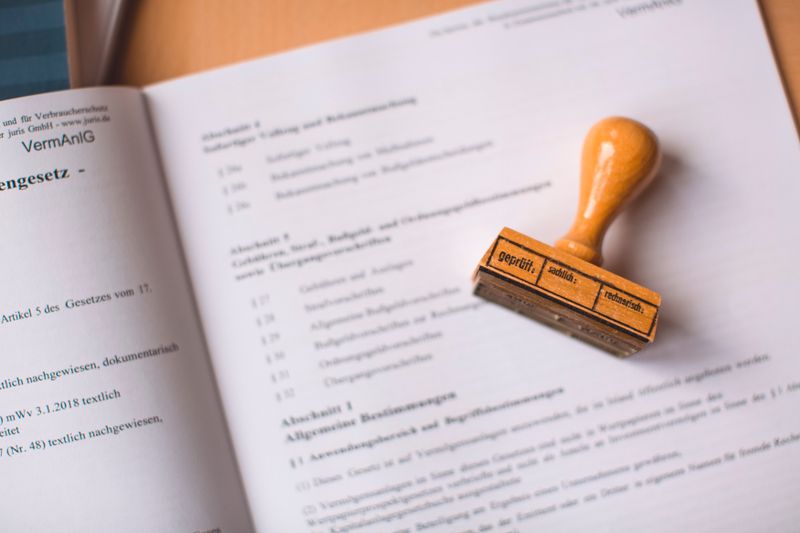
What Is the Difference Between a Jurat and an Acknowledgment?
A jurat requires you to sign before the notary and take an oath. An acknowledgment confirms you previously signed willingly. Here is when to use each.

How Long Does a Notarization Take? What to Expect
A standard notarization takes 5 to 15 minutes per document. Loan signings run 45 to 90 minutes. Here is a detailed timeline for every type of appointment.

What Do I Need to Bring to a Notary Appointment?
Bring a valid government-issued photo ID and your documents to your notary appointment. Leave documents unsigned if they require a jurat.

Can a Notary Come to My House in Utah?
Yes, a mobile notary can come to your house anywhere in Utah. Here is how it works, what it costs, and how to book a home visit.

Where Can I Find a Mobile Notary Near Me in Park City?
NotaryLTD is your local mobile notary in Park City at 1090 Center Dr, Suite 23. Same-day appointments available 7 days a week, 9 AM to 9 PM.

Where Can I Find a Mobile Notary in Salt Lake City?
NotaryLTD provides mobile notary service throughout Salt Lake City and the Wasatch Front. Same-day appointments, 7 days a week, 9 AM to 9 PM.

Can a Notary Come to a Hospital in Utah?
Yes, a mobile notary can come to your hospital room in Utah. Here are the special considerations, how to prepare, and how to book urgent bedside service.

Is There a Notary Open Now Near Me in Utah?
NotaryLTD is open 9 AM to 9 PM, 7 days a week, including weekends and holidays. Same-day appointments available across the Wasatch Front.

How Does Remote Online Notarization Work in Utah?
RON in Utah uses a live video call, digital identity verification, and tamper-evident electronic seals. Here is the complete step-by-step process.

Is Remote Online Notarization Legal in Utah?
Yes, remote online notarization is fully legal in Utah. State law expressly authorizes RON and establishes clear requirements for notaries and technology platforms.

Can a Utah Notary Perform RON for Out-of-State Signers?
Yes, Utah-commissioned notaries can perform RON for signers located anywhere in the United States and even internationally, as long as the session meets Utah RON requirements.

What Technology Do I Need for a RON Session?
You need a computer or tablet with a working camera, microphone, a modern web browser, and a stable internet connection to complete a RON session.

What Is the Difference Between RON and Mobile Notary?
RON lets you notarize documents entirely online through a video call, while mobile notary involves a notary traveling to your location for an in-person signing.

Can a Notary Sign for a Family Member in Utah?
Utah law does not explicitly prohibit a notary from notarizing for family members, but strong ethical guidelines and best practices strongly discourage it when a financial interest exists.

Can a Notary Refuse to Notarize a Document?
Yes, a notary can and sometimes must refuse to notarize a document when specific legal or procedural requirements are not met.

Can I Notarize a Document That Is Already Signed?
It depends on the type of notarization required. An acknowledgment can be performed on a pre-signed document, but a jurat requires the signer to sign in the notary's presence.

Is a Notarized Document Legally Binding?
Notarization confirms the signer's identity and willingness but does not automatically make a document legally binding. The content and execution of the document determine enforceability.

Can a Notary Give Legal Advice in Utah?
No. Utah law prohibits notaries from giving legal advice, selecting documents, or guiding signers on legal decisions. Only licensed attorneys may provide legal counsel.

What Happens If a Notary Makes a Mistake?
Notary mistakes can range from minor clerical errors to serious procedural violations. Most mistakes are correctable, but the correction method depends on the type and severity of the error.

What Is a Credible Witness in Utah Notary Law?
A credible witness is a person who personally knows the signer and can vouch for their identity when the signer lacks acceptable identification for a notarization.

Can a Utah Notary Notarize a California Document?
Yes, a Utah notary can notarize a document that will be used in California, but the notarization must follow Utah law, and the signer should confirm that California will accept it.

Utah Notary Law Changes 2026: What SB 139 Means
Utah SB 139 takes effect May 6, 2026, introducing mandatory journal requirements, updated identification standards, and enhanced documentation rules for all notarial acts in the state.

Can a Blind Person Get a Document Notarized?
Blind and visually impaired individuals have every legal right to get documents notarized in Utah. This guide explains the accommodations, procedures, and protections that ensure an accessible notarization experience.

Do Wills Need to Be Notarized in Utah?
Utah does not require wills to be notarized, but adding a notarized self-proving affidavit makes probate faster and simpler. This guide covers the legal requirements, benefits, and process for notarizing a will in Utah.

Do I Need a Notary for Power of Attorney in Utah?
Yes, Utah requires power of attorney documents to be notarized to be legally valid. This guide covers the specific requirements, types of POA, costs, and the step-by-step process for getting your power of attorney notarized.

Does a Healthcare Directive Need to Be Notarized in Utah?
Utah does not require healthcare directives to be notarized, but notarization provides significant legal protection and is accepted in place of witness signatures. This guide explains the requirements and benefits.

Does a Living Will Need to Be Notarized in Utah?
Utah does not require living wills to be notarized, but notarization is accepted as an alternative to two witnesses and offers stronger legal protection. This guide covers the requirements, costs, and process.

Can a Notary Notarize a Will in Utah?
Yes, a notary can notarize a will in Utah by administering oaths and notarizing the self-proving affidavit. However, the notary's role has important limits. This guide explains exactly what a notary does and does not do during a will signing.

What Is a Loan Signing Agent? Everything You Need to Know
A loan signing agent is a specially trained notary public who guides borrowers through mortgage closing documents, ensuring every signature, initial, and date is placed correctly.

How Long Does a Loan Signing Take?
Most loan signings take between 45 and 60 minutes, though the exact time depends on the type of loan, number of borrowers, and document complexity.

What Documents Are in a Loan Signing Package?
A loan signing package typically contains 100 to 200 pages of mortgage documents including the promissory note, deed of trust, closing disclosure, and various federal and state disclosures.

Do I Need a Notary for a Deed of Trust?
Yes, a deed of trust must be notarized in Utah. Notarization is required for the document to be recorded with the county recorder and establish the lender's lien on the property.

Can a Loan Signing Agent Explain My Mortgage Documents?
A loan signing agent cannot explain the financial or legal terms of your mortgage documents. They can identify documents, show where to sign, and point you to sections containing key information.

Can I Get a Document Notarized on a Weekend in Utah?
Yes, you can get documents notarized on weekends in Utah. NotaryLTD is available seven days a week, including Saturdays and Sundays, from 9 AM to 9 PM.

Where to Find a Notary on Sunday in Utah?
Finding a notary open on Sunday in Utah is challenging since most banks and offices are closed. NotaryLTD is available every Sunday from 9 AM to 9 PM with mobile and RON services.

Do I Need an Appointment for Notary Services?
While some notary locations accept walk-ins, scheduling an appointment ensures the notary is available, prepared for your document type, and can give you their full attention.

How Far in Advance Should I Book a Notary?
For general notarization, 24-48 hours advance notice is ideal. Loan signings should be scheduled 2-3 days ahead. Same-day appointments are available for urgent needs.

Can I Get Same-Day Notary Service in Utah?
Yes, same-day notary service is available in Utah through NotaryLTD. We accommodate urgent requests seven days a week from 9 AM to 9 PM across Park City and surrounding areas.

What Is an Apostille? Complete Guide for Utah
An apostille is an international certification that authenticates a document for use in another country that is a member of the Hague Apostille Convention.

How Do I Get an Apostille in Utah?
To get an apostille in Utah, first have your document notarized (if required), then submit it with an application to the Utah Lieutenant Governor's office for authentication.

How Long Does the Apostille Process Take in Utah?
The Utah apostille process typically takes 3 to 10 business days for standard processing at the Lieutenant Governor's office, plus time for notarization and mail transit.

Do All Documents Need Notarization Before Apostille?
Not all documents need notarization before an apostille. Government-issued documents with official signatures can go directly to the Lieutenant Governor, while private documents must be notarized first.

What Is I-9 Verification? Employer Guide
I-9 verification is the process employers use to confirm every new employee's identity and authorization to work in the United States, as required by federal law.

Can I-9 Verification Be Done Remotely?
Yes, I-9 verification can be completed remotely using USCIS's alternative procedure for E-Verify employers, or by designating an authorized representative near the employee's location.

How Quickly Can I-9 Verification Be Completed?
I-9 verification can be completed in as little as 15-20 minutes when the employee has proper documents ready. The legal deadline is three business days from the start date.