Yes, a mobile notary can come to your hospital room in Utah. Here are the special considerations, how to prepare, and how to book urgent bedside service.
Yes, a mobile notary can come to your hospital room in Utah. Here is how bedside notarization works and what to know before you book.
Key Takeaways
- Mobile notaries visit hospitals, nursing homes, and care facilities throughout Utah.
- The patient must be mentally competent and aware of what they are signing.
- A credible witness can substitute if the patient lacks their ID.
- Powers of attorney and health care directives are the most common hospital notarizations.
- Call 435-565-1333 for urgent hospital notary service.
Need a notary at a hospital?
NotaryLTD provides compassionate, professional bedside notarization. Same-day appointments available.
Book NowHow Hospital Notarization Works
A mobile notary visits the patient's hospital room, verifies their identity and mental competency, and performs the notarization at bedside.
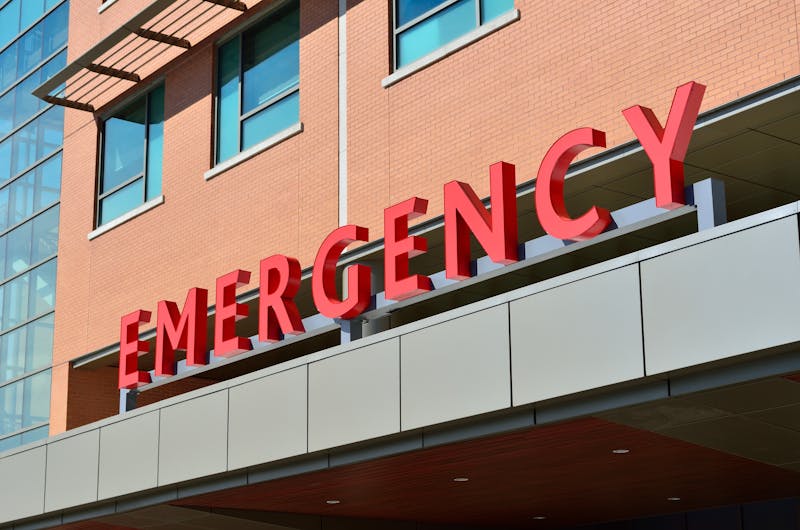
Hospital notarizations follow the same legal requirements as any other notarization, with some additional practical considerations. The notary travels to the hospital, checks in with the nursing staff, and proceeds to the patient's room. The notarization takes place at the bedside, with the patient either sitting up in bed or in a chair.
The notary must verify the signer's identity using acceptable identification, just as they would in an office setting. If the patient has their driver license, passport, or state ID available, the process is straightforward. If identification is not available, the credible witness process can be used, which is common in hospital settings.
The notary also assesses whether the signer appears to be mentally competent and aware of what they are signing. This is not a medical assessment. The notary is looking for basic indicators that the person understands the nature of the document, can communicate their intentions, and is signing voluntarily without coercion.
If the notary has concerns about the signer's competency due to sedation, disorientation, or other factors, they may decline to perform the notarization and recommend that the signing be rescheduled when the patient is more alert. This protects both the signer and the integrity of the document. Visit our FAQ for more details on competency requirements.
Common Documents Notarized in Hospitals
Powers of attorney, health care directives, and advance directives are the most frequently notarized documents in hospital settings.
Health crises often create urgent needs for legal documents. A patient facing surgery may need to sign a durable power of attorney to authorize someone to handle their financial affairs during recovery. A health care directive or advance directive allows the patient to specify their medical care wishes if they become unable to communicate. These documents frequently require notarization.
Real estate documents sometimes need to be signed in the hospital when a closing deadline approaches during a patient's stay. Sellers, buyers, and refinancing borrowers who are hospitalized can still complete their transactions with a bedside loan signing or document notarization.
Wills and trust amendments may need notarization in urgent situations. While estate planning is ideally done well in advance, hospital stays sometimes prompt patients to finalize documents they have been putting off. An experienced notary handles these sensitive documents with discretion and professionalism.
Insurance claims, legal affidavits, and court filings may also require notarization while a patient is hospitalized. Whatever the document, NotaryLTD handles it with the same care and attention to detail that we bring to every appointment. Visit our mobile notary services page for the full range of documents we handle.
Identification Challenges at the Hospital
Hospital patients often lack their ID. The credible witness process provides a legal alternative for identity verification.
One of the biggest challenges with hospital notarizations is identification. Patients admitted through the emergency room may not have their wallet. Patients who have been in the hospital for an extended stay may not have easy access to their driver license or passport. Family members may have taken personal belongings home for safekeeping.
The credible witness process solves this problem. A family member, friend, or colleague who personally knows the patient can appear before the notary with their own valid ID and swear under oath that the patient is who they claim to be. The witness must not be a party to or beneficiary of the document being signed, but most family members qualify depending on the specific document.
If possible, ask a family member to bring the patient's ID to the hospital before the notary appointment. This simplifies the process and eliminates the need for a credible witness. If that is not possible, ensure that a qualified credible witness is present at the hospital when the notary arrives.
When you call to book a hospital notarization with NotaryLTD at 435-565-1333, we will discuss the identification situation and help you prepare. If a credible witness is needed, we will explain the requirements so everyone is ready when we arrive. You can also visit our booking page for more information.
Need urgent hospital notarization?
Same-day bedside service available. Call 435-565-1333 and we will prioritize your request.
Book NowCompetency Considerations
The signer must understand what they are signing and be able to communicate their intentions clearly to the notary.
Mental competency is a critical consideration in hospital notarizations. Pain medications, sedatives, anesthesia recovery, and the stress of illness can all affect a patient's cognitive state. The notary must make a reasonable assessment that the signer understands the nature of the document, knows what they are signing, can confirm their identity, and is acting voluntarily.
A notary is not a doctor and does not make medical determinations about competency. However, they are trained to recognize obvious signs that a person may not be competent to sign, such as inability to answer basic questions about themselves or the document, severe confusion or disorientation, inability to maintain consciousness, unresponsiveness to the notary's questions, and evidence of coercion by others in the room.
If the notary observes any of these concerns, they will not proceed with the notarization. This is not a rejection of the patient. It is protection for the patient. A document signed by someone who was not competent can be challenged and invalidated in court, which defeats the purpose of having it notarized in the first place.
Timing is important. If a patient is more alert in the morning than in the evening, schedule the notarization for their best time. If they just received pain medication, wait until the peak effects have passed. Coordinating with the nursing staff can help identify the best window for the signing.
Hospitals and Facilities We Serve
NotaryLTD provides bedside notarization at hospitals, nursing homes, rehabilitation centers, and assisted living facilities throughout our service area.
We travel to major hospitals and medical centers across our service area. In the Park City and Summit County area, we serve Park City Hospital and local medical clinics. In the Salt Lake Valley, we serve University of Utah Hospital, Intermountain Medical Center, St. Mark's Hospital, and facilities throughout the metro area.
We also provide notarization at nursing homes, rehabilitation centers, assisted living facilities, and memory care units. Each type of facility has its own access procedures and we work within their rules. For secure or restricted facilities, we coordinate with the administration beforehand to ensure smooth entry and a private space for the notarization.
Urgent requests are given priority. We understand that hospital notarizations are often time-sensitive, whether due to a scheduled surgery, a discharge deadline, or a deteriorating condition that makes timing critical. Call 435-565-1333 and describe the urgency, and we will do everything we can to accommodate you as quickly as possible.
Book Hospital Notary Service
Call 435-565-1333 for same-day hospital notarization anywhere in the Wasatch Front.
NotaryLTD handles hospital and care facility notarizations with compassion, professionalism, and the attention to detail that 30+ years of experience provides. We understand the emotional weight of these appointments and approach them with sensitivity. Commission number 742886, valid through April 30, 2029. NNA Certified and fully compliant with all Utah notary regulations.
Call us now at 435-565-1333 or visit our booking page to arrange your hospital notarization. We are available 7 days a week, 9 AM to 9 PM, and we prioritize urgent medical facility requests.
Need bedside notarization now?
Compassionate, professional service at any hospital or care facility. Call 435-565-1333 immediately.
Book NowFrequently Asked Questions
About the Author
Deborah Cuha
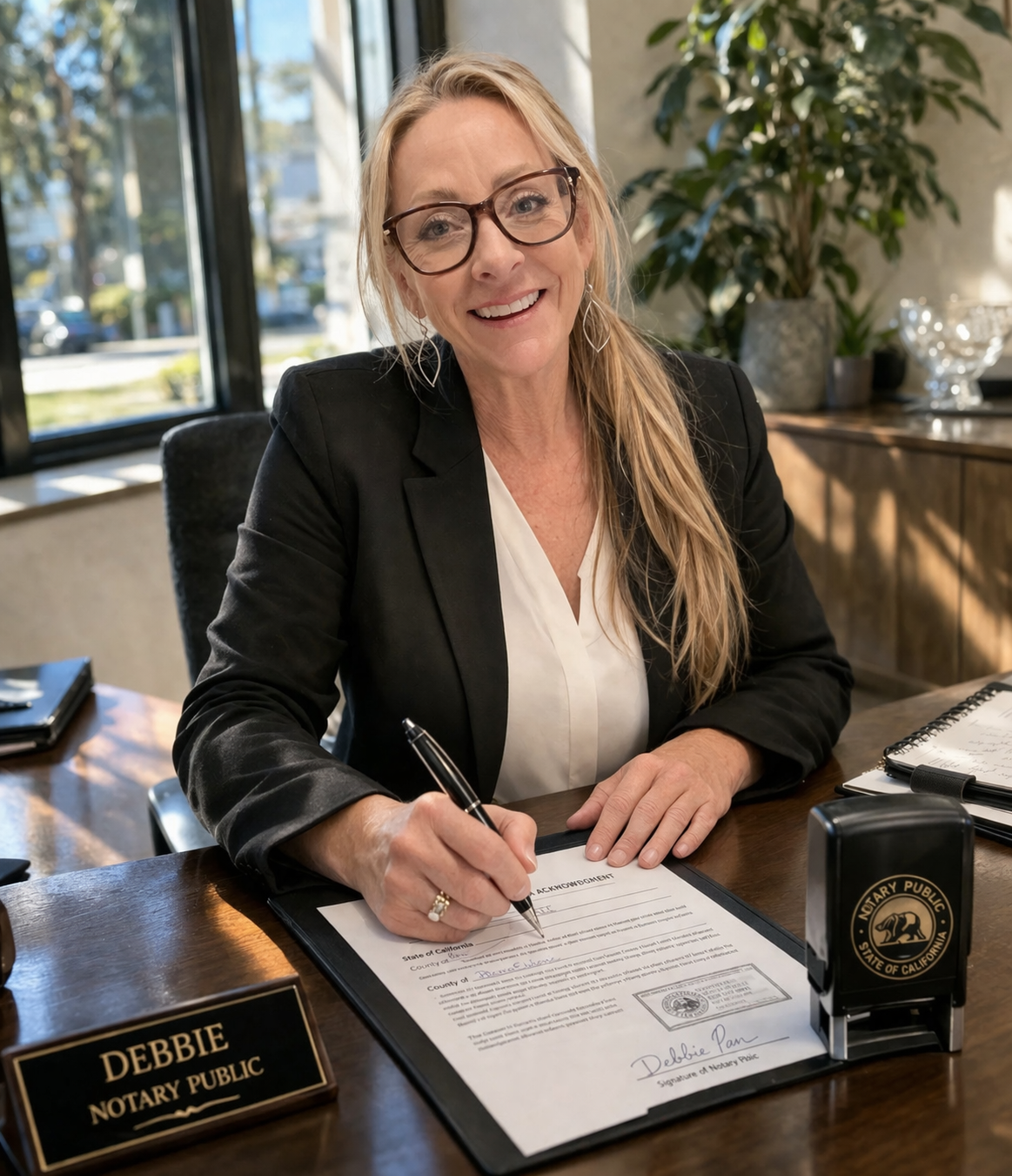
Licensed Utah Notary Public (Commission #742886) with 30+ years of experience. NNA Certified Loan Signing Agent and Certified Remote Signing Agent. Based in Park City, serving Summit, Wasatch, and Salt Lake counties.
Read Full Bio →