A credible witness is a person who personally knows the signer and can vouch for their identity when the signer lacks acceptable identification for a notarization.
When a signer cannot produce acceptable identification for a notarization, Utah law allows the use of a credible witness to verify the signer's identity. Understanding how credible witnesses work is essential for anyone who may need notarization but lacks standard government-issued photo ID.
Key Takeaways
- A credible witness personally knows the signer and swears to their identity under oath
- Utah law permits credible witnesses when the signer lacks acceptable ID
- The credible witness must have acceptable ID and no financial interest in the transaction
- The notary administers an oath to the credible witness during the process
- Not all situations and documents allow credible witness identification
Need notarization but have ID concerns?
NotaryLTD can guide you through the credible witness process. Call 435-565-1333 to discuss your situation before your appointment.
Book NowWhat Is a Credible Witness?
A credible witness, sometimes called a credible identifying witness, is a person who personally knows the document signer and can verify the signer's identity to the notary under oath. The credible witness essentially vouches for the signer when the signer cannot present the standard forms of identification required for notarization.

The concept exists because life sometimes prevents people from having a current, unexpired government-issued photo ID. Elderly individuals may have let their driver's license lapse. People who have recently moved to Utah may not yet have a Utah ID. Individuals whose wallets were stolen or whose IDs were lost in a fire or natural disaster may need documents notarized urgently before they can obtain replacement identification.
Under Utah Code 46-1-2 and the broader notary statute framework, the use of a credible witness is an accepted alternative method of identity verification. It is not a shortcut or a workaround. It is a formal process with specific requirements that the notary must follow. The credible witness effectively substitutes their knowledge of the signer for the documentary evidence that would normally come from a photo ID.
It is important to note that the credible witness does not verify the content of the document or attest to its accuracy. The witness's sole function is to confirm the signer's identity. The notary still performs all other standard duties, including determining the signer's willingness and understanding, and completing the notarial certificate and journal entry.
Qualifications of a Credible Witness
Not just anyone can serve as a credible witness. Utah law and professional notary standards impose several requirements on individuals who serve in this capacity. Meeting these qualifications is essential for the notarization to be valid.
The credible witness must personally know the signer. This means a genuine, pre-existing personal relationship based on direct interaction over a meaningful period of time. A person who met the signer for the first time that day cannot serve as a credible witness. The witness must be able to state, under oath, that they know the signer and can confirm the signer's identity based on their personal knowledge.
The credible witness must present acceptable identification to the notary. This requirement ensures that the notary can at least verify the identity of the person vouching for the signer. The witness must produce a current, unexpired government-issued photo ID with a physical description and signature. Acceptable forms include a driver's license, state ID card, or U.S. passport. The same identification standards that apply to direct signer verification apply to the credible witness.
The credible witness must not have a financial interest in the transaction or document being notarized. A person who stands to gain financially from the document cannot serve as a credible witness because their interest could compromise their reliability. This means a beneficiary under a will, a grantee on a deed, or a party to a contract cannot also be the credible witness for the other party's signature on that same document.
The credible witness must not be named in the document in any capacity. This goes beyond financial interest. If a person is mentioned anywhere in the document, even in a non-financial capacity, they should not serve as the credible witness. This requirement helps ensure the witness is a genuinely independent third party.
The Credible Witness Process Step by Step
When a signer appears without acceptable ID and a credible witness is available, the notarization proceeds through a specific sequence of steps that the notary must follow carefully.
First, the notary verifies the credible witness's identity by examining their government-issued photo ID. The notary checks the photo, name, expiration date, and physical description, just as they would for any signer. If the witness's ID is expired, illegible, or otherwise unacceptable, the witness cannot serve in this capacity.
Second, the notary places the credible witness under oath. The witness must swear or affirm that they personally know the signer, that the signer is the person named in the document, and that the witness has no financial interest in the transaction. This oath is a critical step. Making a false statement under oath is perjury, and the oath gives legal weight to the witness's identification of the signer.
Third, the notary confirms that the credible witness is not named in or a party to the document. The notary may ask the witness directly and may also review the document to verify this independently. If the witness is disqualified for any reason, the notarization cannot proceed using that witness.
Fourth, the signer proceeds with the notarization as usual. They sign the document in the notary's presence, and the notary completes the notarial certificate. The notary notes in their journal that the signer was identified through a credible witness, records the witness's name, address, and ID information, and retains this information per Utah's journal requirements.
The entire process adds approximately 10 to 15 minutes to a standard notarization appointment. At NotaryLTD's mobile notary service, we walk both the signer and the witness through each step to ensure everything is completed correctly.
Common Situations Where Credible Witnesses Are Used
The most common scenario involves elderly individuals in care facilities. A resident of an assisted living or nursing home may need to sign a power of attorney, healthcare directive, or other legal document but may not have a current driver's license or state ID. A family member, long-time friend, or facility staff member who personally knows the resident can serve as the credible witness, provided they meet all the qualifications.
Another frequent situation involves individuals whose identification has been lost, stolen, or destroyed. If you need a document notarized urgently and cannot wait for a replacement ID, a credible witness can enable the notarization to proceed. This is particularly relevant after events like house fires, burglaries, or while traveling when a wallet is lost.
Recent immigrants who have not yet obtained U.S. identification but need documents notarized may also use credible witnesses. While the signer may have a foreign passport, some foreign passports cannot be processed through RON platform credential analysis systems. In those cases, an in-person notarization with a credible witness provides an alternative path.
Homebound individuals who cannot visit a DMV or driver's license office due to disability or illness are another group that benefits from the credible witness option. Combined with mobile notary services, which bring the notary to the signer's location, the credible witness process ensures that immobility does not prevent someone from having their documents properly notarized.
Bringing a credible witness to your appointment?
Let us know in advance so we can prepare. The witness must bring their own valid photo ID. Call 435-565-1333 to schedule.
Book NowLimitations and Restrictions
Credible witnesses are not universally accepted in every notarization context. Some specific situations and industries impose additional restrictions that may prevent the use of a credible witness even when Utah law would otherwise allow it.
RON sessions present a significant limitation. Most RON platforms require the signer to pass multi-factor identity verification through knowledge-based authentication and credential analysis. These automated systems do not accommodate credible witnesses. If a signer cannot pass the platform's identity verification, the RON session typically cannot proceed. The signer would need to arrange an in-person notarization with a credible witness instead.
Title companies and lenders involved in real estate closings frequently have their own policies that are stricter than state law. Some title companies will not accept notarizations that relied on credible witness identification because their underwriting guidelines require photo ID verification. Before scheduling a loan signing with a credible witness, confirm with the title company that they will accept the notarization.
Federal agencies and certain state agencies may not accept documents notarized using the credible witness method. If you are submitting a notarized document to a government agency, verify their identification requirements before relying on a credible witness. Some agencies explicitly require the signer to have presented photo ID to the notary.
Two credible witnesses may be required in some jurisdictions or under certain institutional policies. While Utah law does not always mandate two witnesses, having two credible witnesses strengthens the identification and reduces the risk of the notarization being challenged. If you can arrange two witnesses, it is a worthwhile precaution for high-value or high-stakes documents.
SB 139 and Credible Witness Requirements in 2026
Utah's SB 139, effective May 6, 2026, introduces mandatory journal requirements that affect credible witness notarizations. Under the new law, notaries must record detailed information about every notarial act in their journal. For notarizations involving credible witnesses, this means the journal must include the witness's name, address, type of ID presented, and ID number, in addition to the standard signer information.
The enhanced journal requirements make the credible witness process slightly more documentation-intensive, but they do not change the fundamental rules about who can serve as a witness or when witnesses can be used. The additional documentation actually benefits all parties by creating a more thorough record that can be referenced if questions arise later about the identification process.
NotaryLTD has already updated our procedures to comply with SB 139's journal requirements ahead of the effective date. When you book a credible witness notarization through our scheduling page, our team will walk you through what both the signer and witness need to bring to the appointment. For a full breakdown of our service fees, visit our pricing page. Standard rates apply: $10 per notarial act for in-person service, plus $0.70 per mile for mobile travel from Park City.
Questions about credible witness notarization?
Our team has 30+ years of experience handling complex notarization situations. Commission #742886, available Mon-Sun 9 AM to 9 PM.
Book NowFrequently Asked Questions
About the Author
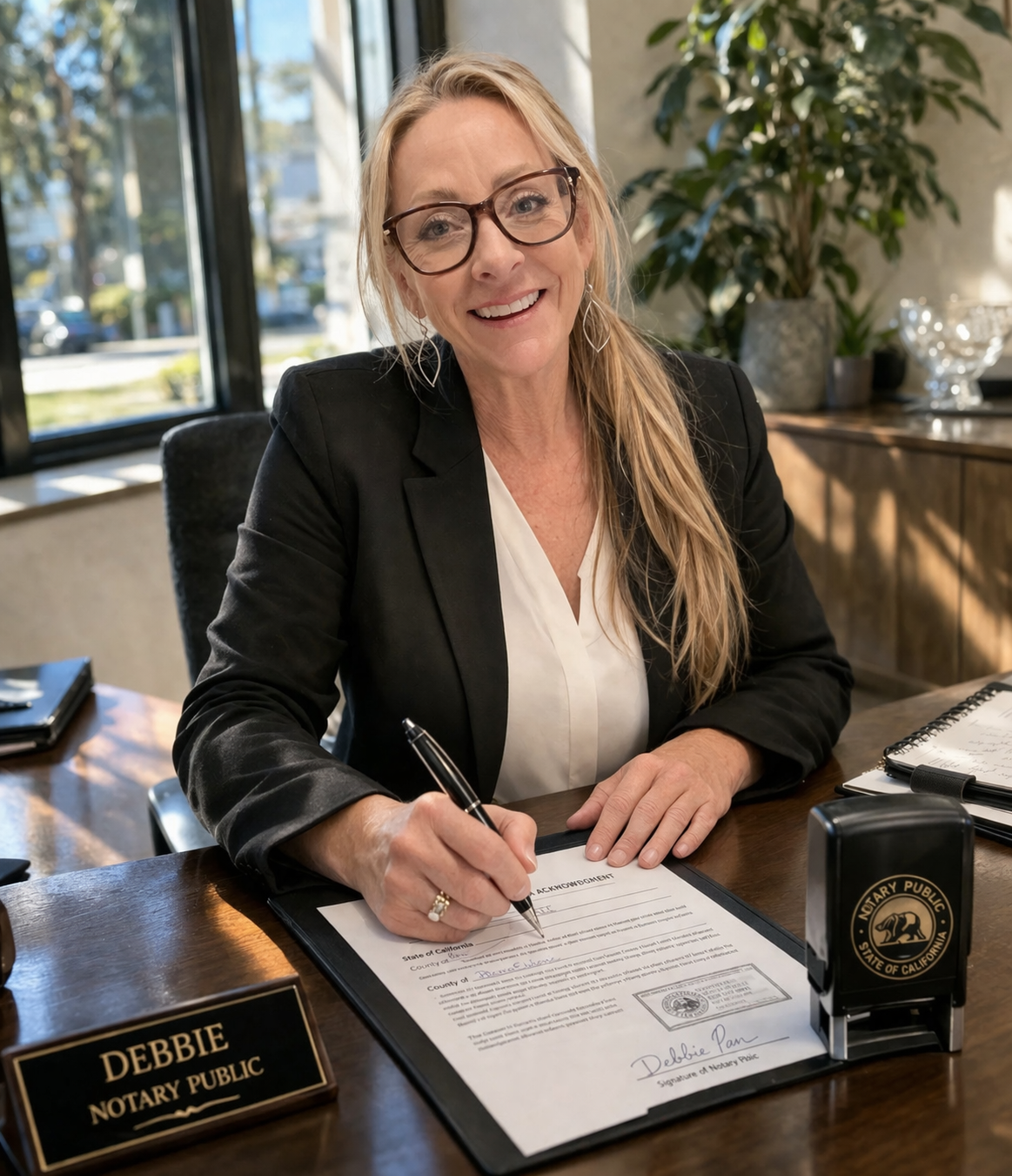
Deborah Cuha
Licensed Utah Notary Public (Commission #742886) with 30+ years of experience. NNA Certified Loan Signing Agent and Certified Remote Signing Agent. Based in Park City, serving Summit, Wasatch, and Salt Lake counties.
Read Full Bio →